Last month October marked ADHD (Attention Deficit Hyperactivity Discorder) Awareness month, a month to educate the public, reduce stigma, celebrate neurodiversity and empower individuals. ADHD affects millions worldwide. ADHD affects all ages, it isn’t just a childhood condition. Many adults are finally getting answers on their conditions by getting diagnosed later in life.
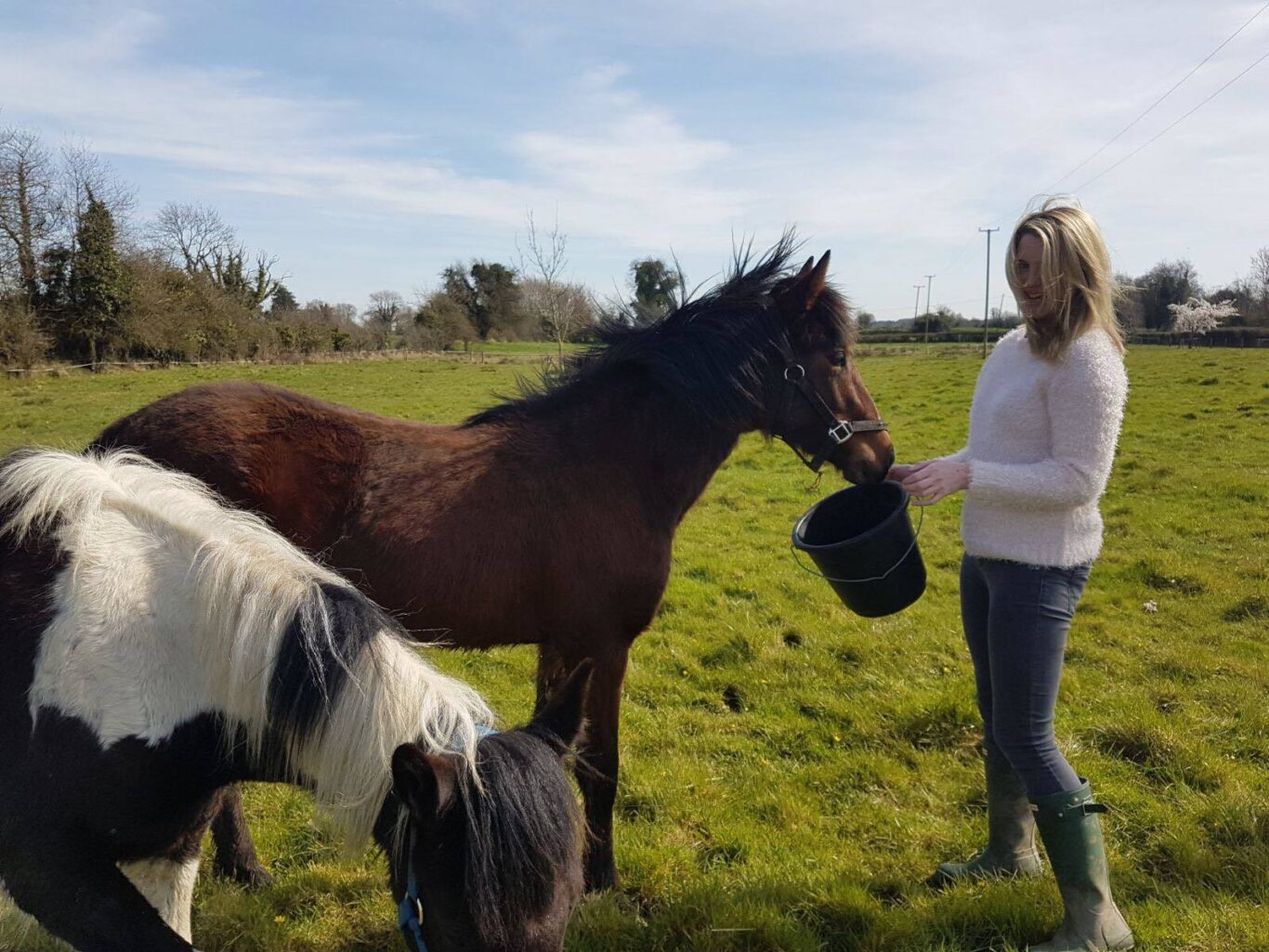
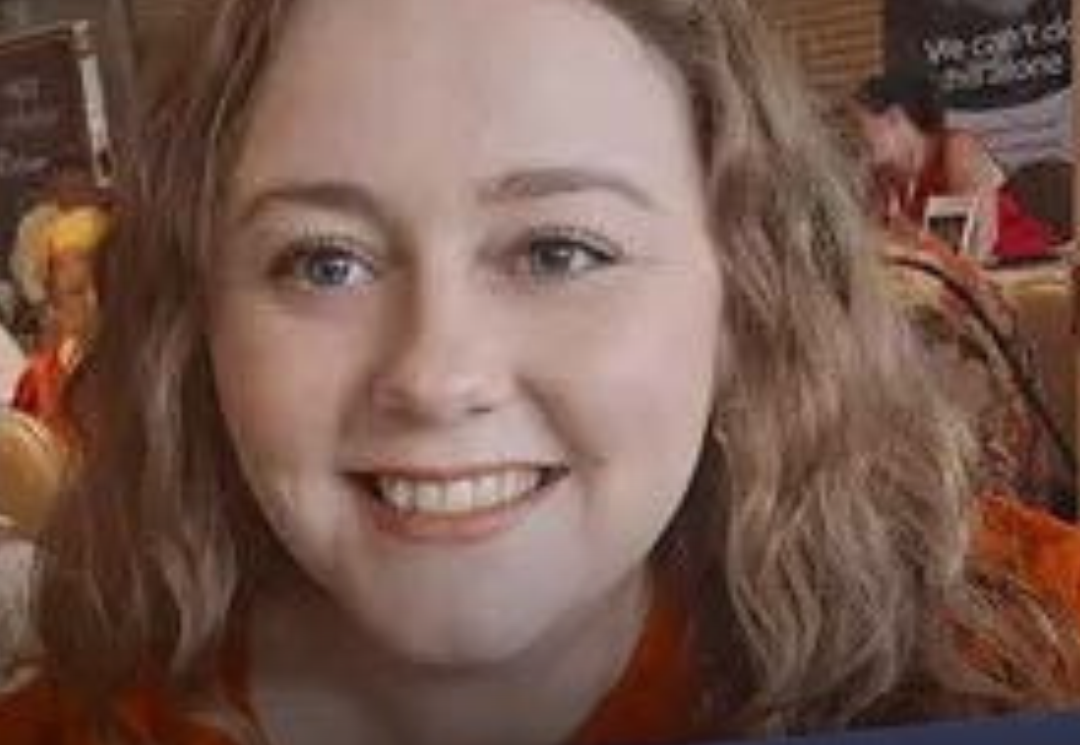
Meath Local spoke to Nicole Lonican, from Rochfortbridge, who is the founder of the Disability Participation News Hub CLG, a national weekly newsletter that works with Disabled People Organisations (DPOs) and advocates for better conditions for disabled people. “I began the process of seeking a diagnosis/ formal identification of ADHD around 2024. I was 27 at the time and working in disability advocacy, surrounded by incredible advocates and learning so much about neurodivergence and disability in general. So many experiences resonated with me, as well as friends who had received diagnoses suggesting that I look into ADHD too”. “For as long as I can remember, I have been in and out of burnout, trying to navigate and adjust to spaces and systems that were taking a toll on me, not knowing that they weren’t accessible to me or that I had access needs myself. I did well academically in school, so nothing was ever raised by my parents or teachers. But school was taking a mental toll on me – I was heavily masking, anxious and had lots of systems set up to support me to pay attention in class, manage homework and study. Not having the language for ADHD or neurodivergence, or even knowledge of it, meant that I really internalised anything I struggled with”.
“By the time I finished secondary school, I believe I was in major burnout. I dropped out of college before Christmas, exhausted with travelling and trying to keep up with so many changes and a large university. Again, I didn’t have the knowledge to ask for help and thought that this was what everyone was going through, but I knew that I couldn’t keep going. I had worked part time throughout my senior secondary years and began working full time after dropping out of college. I changed jobs frequently to move closer to a career that I would enjoy without a third level education. After I had my first child at 22, I decided to go back to college part time, online to study law. It was the best decision I had ever made, and the format suited me perfectly, with a small child (and another on the way) while working full time. I graduated in 2024 with first class honours and my two gorgeous kids and partner with me, supporting me every step of the way”.
“My experience seeking a diagnosis was not great, I was largely dismissed by my GP and had to go privately for an assessment. This really affected me as it had taken a lot for me to reach out at this stage for help. After I received my diagnosis privately, I went back to my GP to explore medication but was told there was no adult ADHD support available to me locally. I think there is so much work to be done in Ireland when it comes to receiving support as a neurodivergent adult or child. In my experience, this process has been extremely inaccessible and costly. I have had to rely on family earnings and loans to get through this process due to lack of public system options as well as seek neuroaffirmative information along the way and advocate”.
“I’m also a parent to neurodivergent kids and working through systems in this space that are really inaccessible, especially to parents who also have access needs. It has also been a constant worry when seeking support or going through processes, that my own kids have a neuro-affirming experience. It adds an extra layer of anxiety to have such varying experiences in different services along with mountains of repetitive paperwork to access basic support”.
“Until my diagnosis, I carried so much shame around the thing I struggled with, and it really impacted my mental health. Having the language and knowledge now has changed my life. I can understand my brain and support it. I can lean into things that bring me joy and also recognise spaces and systems that are inaccessible to me with a beautiful community and support others too.”
Nicole set up the Disability Participation News Hub in 2024. “I set it up as a way to support information sharing and access to information for disabled people about advocacy and decision making affecting their lives. We do this through free weekly n e w s l e t t e r s and disabled led events. We highlight disabled led advocacy and have a spotlight series where we hear from advocates and allies every month.”
The News hub is a disabled-led organisation and we have an incredible Board that informs and supports our work”. People and businesses can subscribe to the Newshub for free via www.disabilityparticipation.ie/ .
“After ADHD Awareness month, I hope leaders focus on the barriers facing disabled people when it comes to accessing support and systems. Schools, healthcare, workplaces and other systems must listen to communities and meaningfully involve them in decision making to make real positive change. I really encourage others to look at Disabled Persons’ Organisations and advocacy groups this month to learn more about their work to change these systems for the better and ways you can get involved too”.