As Ireland grapples with a pressing housing crisis that demands innovative solutions to ensure sustainable and inclusive urban development, Transport-Oriented Development (TOD) emerges as a comprehensive and progressive approach.
TOD underlines the idea of creating vibrant communities around transit hubs. This is done by integrating housing, commercial spaces and services within walking distance of efficient public transportation. TOD presents a progressive solution that addresses not only housing needs but also promotes economic, environmental, and social sustainability.
While TOD aims to create vibrant communities, there is a risk of prices hiking in the area through gentrification. As property values rise, existing lower-income residents may face displacement and raising concerns about social inequality. Careful planning and affordable housing policies are imperative to mitigate these challenges.
This attraction to these vibrant living areas can create a huge spike in increased demand for housing. The improved accessibility and connectivity make these areas more attractive which leads to an increased demand for housing in these areas.
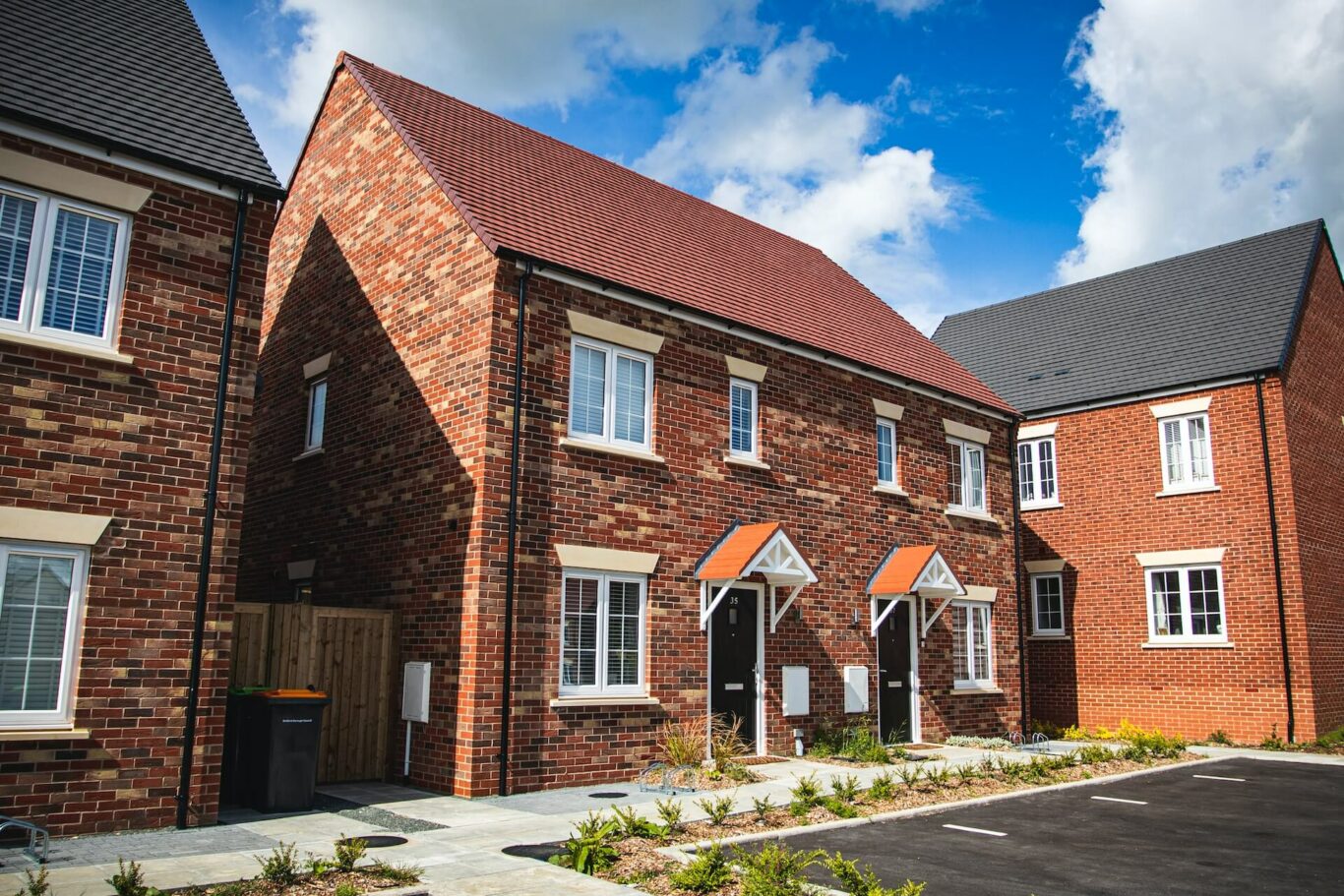
One of the primary benefits of TOD is its potential to address housing affordability issues. By fostering higher-density, mixed-income developments around transport links, TOD projects can create a range of housing options, including affordable units. This approach ensures that people can access well-connected, transit-friendly neighbourhoods without the risk of exclusion.
Local government policies that encourage TOD can also play a hugely significant role in raising property values. With most new builds featuring solar panels and electric car charging ports, which support Ireland’s National Planning Framework (NPF), these sustainable developments and policies can lead to an increase in the overall value of the home.
Ireland’s Climate Action Plan outlines environmental goals and measures to address climate change and to create a more sustainable urban development. TOD aligns seamlessly with these objectives by concentrating development around transit hubs and creating a more environmentally friendly place to live. TOD reduces the need for urban sprawl, preserving green spaces and agricultural land.
On the flip side, these same quality of life improvements can also drive up the cost of not just housing in the area, but the overall area itself.
Furthermore, the emphasis on pedestrian-friendly designs such as cycling infrastructure and energy-efficient buildings helps to contribute to a more sustainable and eco-friendlier urban environment.
TOD has the potential to stimulate economic growth by attracting businesses and investments to transit-oriented areas. The development of commercial spaces, offices, and retail establishments around transport or areas creates employment opportunities and contributes to the overall economic vitality of the region.
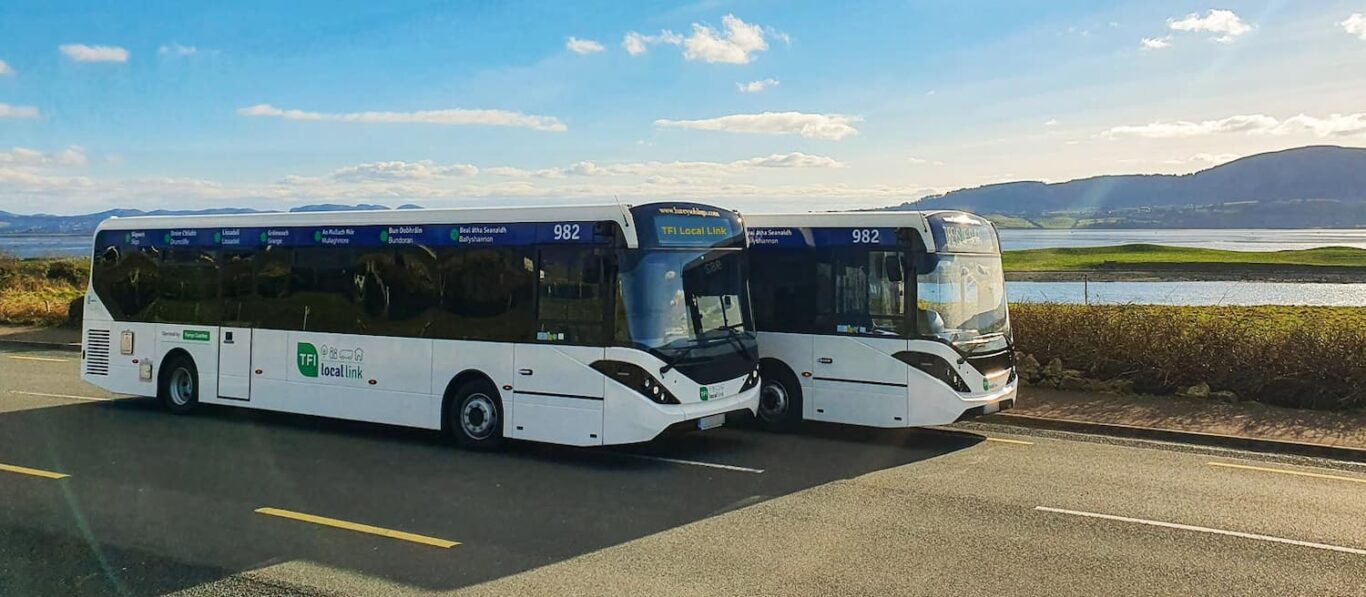
In a country where car dependency has been a historical challenge, TOD offers a major shift towards sustainable transportation. By promoting public transit use and reducing the need for private cars, TOD not only eases traffic congestion but also contributes to a cleaner and healthier environment. This shift aligns with Ireland’s commitment to reducing carbon emissions and fostering sustainable transportation alternatives.
TOD’s success hinges on robust infrastructure including upgraded roads, utilities, and public spaces. Inadequate planning for these crucial components can strain existing resources and limit the overall effectiveness of TOD in addressing housing needs.
There is also emphasis on the creation of mixed-use developments that encourage social interaction and community engagement. By designing neighbourhoods where residents can live, work and socialize within proximity, it builds upon a sense of community. This community-oriented approach contributes to social inclusion and enhances the overall well-being of residents.
Local communities may resist these projects due to concerns about changes in neighbourhood character, increased density and potential disruptions during construction. This means that effective communication and community engagement are vital to address these concerns to build consensus.
TOD has the potential to modernise and enhance county Meath with the opportunity to extend the railway line that currently stops at M3 Parkway, to reach places North and West to towns like Navan or Batterstown.

Transport-Oriented Development offers a progressive, sustainable and comprehensive solution to Ireland’s housing crisis. But acknowledging and addressing its potential negatives is crucial. By embracing TOD principles, Ireland can create liveable, connected communities that address housing needs while fostering economic growth, environmental responsibility and social inclusivity. Balancing the promise and challenges of TOD will be instrumental in shaping a resilient, thriving and transformative landscape in Ireland.